Sunrise Is the New Reservation: Inside Kyushu's Obsession With Breakfast
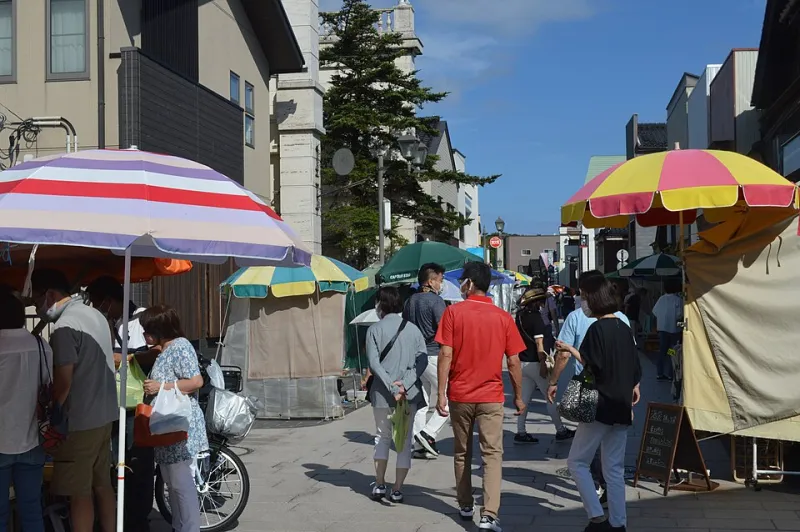
Photo: Asturio Cantabrio, CC BY-SA 4.0, via Wikimedia Commons
There's a moment, right around 6:15 a.m. at Nagasaki's wholesale market, when the fluorescent lights hit the morning catch and the whole place smells like the ocean coughed it up minutes ago. The vendors are still in rubber boots. The coffee is vending machine coffee. And increasingly, standing in the corner with a camera and a look of genuine disbelief, there's an American.
Breakfast is having a moment in the United States — but the version being celebrated on TikTok and in the pages of food magazines isn't the bottomless mimosa brunch variety. It's the quiet, deliberate, eat-it-while-it's-hot version. And the epicenter of that trend, according to a growing number of US chefs and food writers, is Kyushu.
The Meal That Never Went Away
In much of Japan, breakfast culture has taken hits from the same forces that flattened it in America: convenience stores, longer commutes, younger people who'd rather sleep. But Kyushu held on. Walk through any residential neighborhood in Kagoshima at 7 a.m. and you'll catch the smell of tonjiru — a rich pork and miso soup packed with burdock root, carrots, and daikon — drifting out of kitchen windows.
"My grandmother made it every single morning before school," says Chieko Higa, a Kagoshima home cook who now runs small breakfast workshops for visitors. "When I moved to Tokyo for work, I realized nobody there had time to simmer pork miso soup at 6 a.m. I moved back. That was part of the math."
The soup isn't just comfort food. It's a thermal strategy — Kagoshima summers are brutal, winters surprisingly cold, and a hot, protein-heavy start to the day is treated like common sense, not a wellness trend.
Shippoku Mornings and Market Runs
Nagasaki plays breakfast differently. The city's centuries of trade with China, Portugal, and the Dutch left behind shippoku cuisine — a style of communal dining where dishes share one lacquered table. At morning markets like the stalls ringing the wholesale district, that translates to small plates of simmered vegetables, grilled fish, tamagoyaki, and pickles laid out in a way that looks suspiciously like what American wellness influencers call a "grazing board."
"I came for the ramen," admits Marcus Delgado, a chef from Austin who spent a week eating sunrise meals across Nagasaki and Kagoshima. "I left obsessed with how nobody here treats breakfast as optional. The market run at 6 a.m. isn't a content opportunity. It's just Tuesday."
Delgado is one of a small wave of US food professionals building study trips around Kyushu mornings. Some are chasing ingredients — the region's citrus, its mackerel, its sweet potatoes — but most, they say, are chasing the rhythm.
Why Americans Are Paying Attention
The timing makes sense. The US wellness world spent a decade on intermittent fasting, then swung hard toward protein-forward mornings, and now the pendulum is landing somewhere Kyushu never left: a real, cooked, unhurried first meal.
There's also the economics. A market breakfast in Kyushu — grilled fish, rice, miso soup, pickles, maybe a fried piece of tofu — routinely runs under 1,000 yen, roughly seven dollars. Compare that to a $22 avocado toast situation in Brooklyn and the appeal writes itself.
But the vendors here are refreshingly unimpressed by the attention. "Foreigners take photos, then they take seconds," laughs one Nagasaki fishmonger, filleting mackerel without looking up. "That's the best review."
The Takeaway
Kyushu's breakfast moment isn't really about food media discovering a hidden gem. The region never hid it — there was simply never an audience awake to see it. Now, jet-lagged Americans are learning what local grandmothers always knew: the day is won before 8 a.m., and it starts with soup that took all morning to make the night before.
Set the alarm. The market doesn't wait.