The Crowd Is Not the Enemy: Why Kyushu's Famous Places Deserve Their Hype
Photo: Unknown, CC BY-SA 3.0, via Wikimedia Commons
The internet has trained a lot of travelers to chase the place nobody knows about. You have seen the posts. The secret ramen counter. The beach with no crowds. The village that tourists have not ruined yet. The message is always the same: the obvious stuff is for other people.
I understand the impulse. I have taken the detour. I have eaten at the empty restaurant because it looked local and then realized it was empty for a reason. But when it comes to Kyushu, the anti-crowd gospel has become its own kind of trap. The famous places are famous because they are worth it. Skipping them does not make you a smarter traveler. It just means you missed the point.
The Hidden-Gem Industrial Complex
The phrase hidden gem has been beaten to death. In 2026, it is a content genre. A place gets called hidden, then a thousand people show up looking for the hidden thing, and suddenly it is not hidden anymore. The only people who benefit are the platforms. The place gets pressure. The locals get a line outside their door. The traveler gets a photo that looks exactly like everyone else's photo.
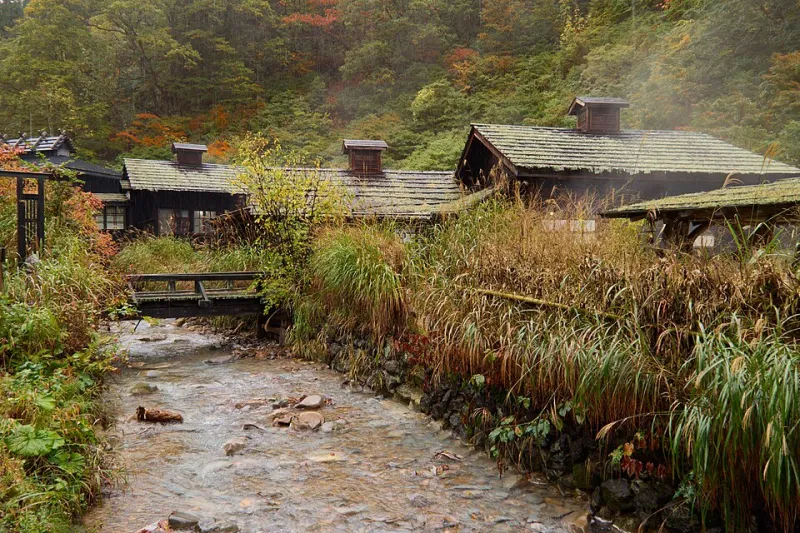
Kyushu has plenty of quiet corners. I love them. But there is a difference between seeking quiet and performing superiority. If you skip Dazaifu Tenmangu because it is busy, you are not discovering something. You are avoiding one of Japan's most important shrines. If you skip the Beppu Hells because they are on every itinerary, you are skipping a geological show that is genuinely strange and beautiful. If you skip Yufuin because it is popular, you are missing a town that is popular because it sits in a valley like a postcard.
Famous for a Reason Is Still a Reason
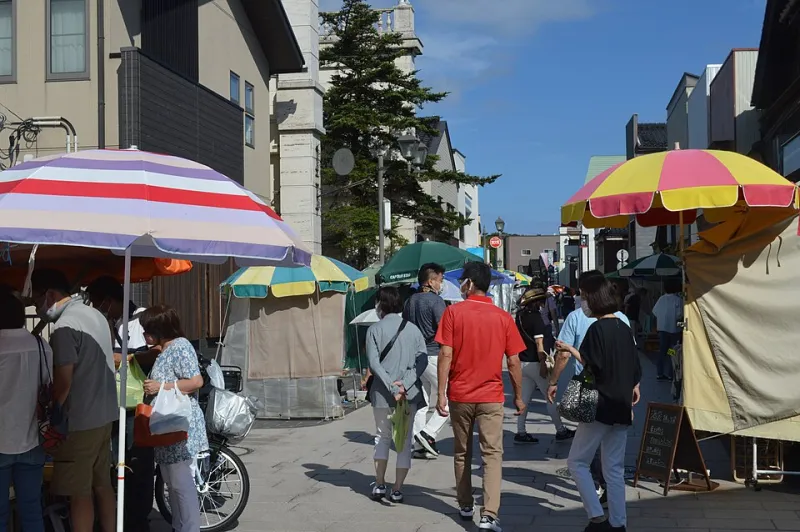
Dazaifu is not famous by accident. The approach is lined with shops. The shrine is grand. The grounds are quiet in the right corners. The crowd is part of the ritual. You walk with people. You wait with people. You buy a mochi and eat it while someone else takes a photo of the gate. That is not a ruined experience. That is a shared one.
The same goes for Sakurajima in Kagoshima, Kumamoto Castle, Glover Garden in Nagasaki, and the steaming streets of Beppu. These places carry history, geology, and civic pride. They are not content backdrops. They are the reasons people come to Kyushu in the first place. If you avoid them, you are not getting the real Kyushu. You are getting the Kyushu that fits your aesthetic.
Crowds Are a Design Challenge, Not a Moral Failure
A crowded place is not automatically a bad place. It is a place with a management problem. That is different. You can visit a busy shrine at 7 a.m. You can stay overnight in a hot spring town and walk the streets after the day-trippers leave. You can take the train instead of the tour bus. You can book the earlier slot. You can eat lunch at 11:30 like a sensible person. You can step to the side when you take a photo.
The respectful move is not to stay home. It is to show up with better manners. Learn one useful sentence. Do not block the path. Do not chase a geisha or a monk or a shopkeeper with your camera. Buy something from the shops you photograph. Put your trash in your bag. If a sign says no photography, believe it. If a line forms, join it without complaining. These are small things. They are also the difference between a crowd and a mob.
What You Miss When You Skip the Line
There is a particular kind of American traveler who treats obscurity as a badge. I get it. We are raised on underdog stories. We like the little guy. But the little guy is not automatically better than the big guy, and the empty place is not automatically more authentic than the busy one. Sometimes the busy place is busy because a hundred years of people have agreed that it is beautiful. Sometimes the line is long because the food is good.
Kyushu is not a secret. It is a region with a long memory, a lot of steam, and a habit of making strangers feel welcome. The famous places are part of that. Go to them. Go early or late. Go with patience. Go with cash for the little shops. Go knowing that you are one of many, not the first person to ever find the place.
The hidden gem will still be there tomorrow. The famous place is famous today. That is not a warning. It is an invitation.