Soaking In and Settling Down: What Happens When Remote Workers Move Into Kyushu's Quietest Hot Spring Towns
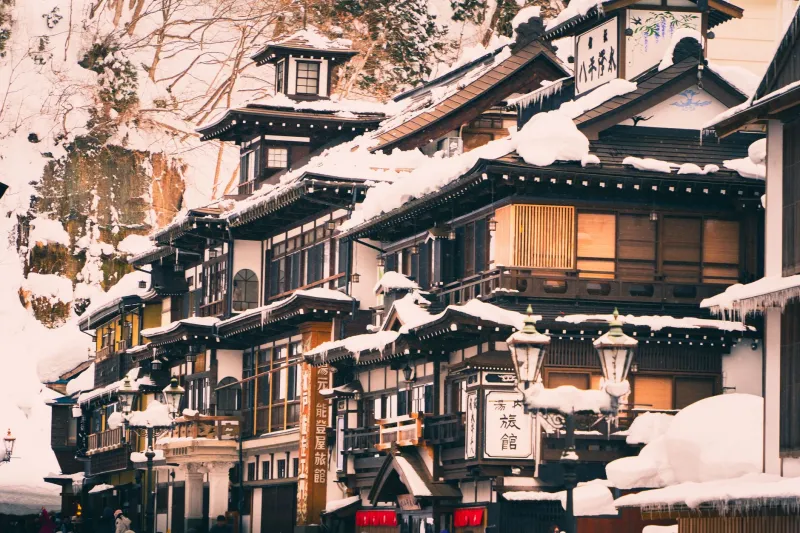
A New Kind of Guest Checks In
For most of its history, Yufuin has drawn visitors who come, soak, eat, and leave. The rhythm of the place is built around that cycle — guests arrive on the weekend train, shuffle between ryokan and rotenburo, maybe pick up a jar of yuzu jam, and head home by Sunday evening. That's how it's worked for generations.
But lately, some guests aren't leaving.
Across Kyushu's constellation of hot spring towns — Yufuin and Beppu being the famous ones, but also smaller, quieter spots like Hita, Myoken Onsen, and the villages tucked into the Kuju highlands — a new kind of resident is turning up. They've got standing desks in their ryokan rooms. They're asking local coffee shops whether the Wi-Fi can handle a Zoom call. They're signing three-month leases on machiya townhouses that have sat empty for years.
They're digital nomads, and they're discovering what locals have always known: that these places are genuinely wonderful to live in.
Why Kyushu, Why Now
The pitch sells itself, honestly. Onsen towns in Kyushu tend to sit in valleys surrounded by dramatic scenery — the kind of landscape that makes you feel like you're inside a Studio Ghibli film. Rent is cheap by any international standard. The food is extraordinary. And thanks to Japan's aggressive rural broadband rollout over the past decade, fiber-optic internet has reached places that still rely on wood-burning baths.
Tyler Marsh, a UX designer from Portland who's been working remotely since 2020, stumbled onto Hita almost by accident. "I was doing a two-week trip through Kyushu and I just... didn't want to leave," he says. "I found a guesthouse owner who was willing to negotiate a monthly rate, and I ended up staying four months. My rent was less than what I was paying for parking back home."
That kind of story is getting around. Online nomad communities on Reddit and Notion-based forums have started flagging Kyushu's onsen towns as underrated alternatives to the more saturated digital nomad hubs in Southeast Asia. Japan's newly introduced digital nomad visa, which launched in early 2024, has also made the logistics easier for Americans and Europeans who previously had to navigate the country on tourist status.
The Innkeepers' Dilemma
For some local business owners, the shift has been a quiet lifeline. Japan's rural depopulation crisis is real and well-documented — younger residents leave for Fukuoka or Tokyo, older ones age out of running their businesses, and entire neighborhoods of traditional buildings go dark. An influx of remote workers who want to stay for months rather than days can look like salvation.
Keiko Yamamoto, who runs a small guesthouse outside Myoken Onsen in Kagoshima Prefecture, converted two of her traditional rooms into longer-stay units two years ago after a German graphic designer asked if she could accommodate him for six weeks. "He was very respectful, very quiet," she says. "He helped me fix my website in exchange for a discount. Now I have a waiting list for those rooms."
But not every innkeeper shares her enthusiasm. Some worry that catering to long-term remote workers changes the atmosphere of places that have built their identity around a specific kind of slow, contemplative hospitality. A ryokan is not an Airbnb, and the distinction matters culturally. There's also the practical concern of infrastructure — shared onsen facilities, communal dining schedules, and the unspoken codes of behavior that make traditional inns function smoothly weren't designed for someone who needs to be on a call at 9 p.m. Tokyo time.
What the Community Elders Are Watching
Community leaders in these towns are paying attention to what happened elsewhere. The story of how remote work transformed small mountain towns in Colorado or coastal villages in Portugal — driving up property values, pricing out locals, fundamentally altering the character of a place — is not lost on people who've seen Kyushu's own tourist hotspots gentrify over the decades.
In Yufuin, where the town famously resisted industrial resort development in the 1970s to preserve its village atmosphere, some longtime residents are nervous about a subtler version of the same pressure. "We fought very hard to keep this place from becoming something it wasn't," says one retired town council member who asked not to be named. "I'm not saying these visitors are bad people. I'm saying we need to think carefully before we build an economy around them."
Housing is the most immediate flashpoint. In several small onsen towns, the arrival of foreign remote workers willing to pay above-market rent for renovated traditional homes has started to move prices in ways that affect locals who were hoping to take over family properties or find affordable housing nearby.
A Different Kind of Cultural Exchange
It's not all tension, though. Some of the more interesting developments are happening in the space between cultures.
A handful of onsen towns have started hosting informal community dinners where long-stay visitors and local residents share a meal and, occasionally, skills. In one Oita Prefecture village, a Canadian data analyst who spent three months working remotely ended up teaching a basic spreadsheet workshop for local small business owners — entirely voluntarily, in broken Japanese and with a lot of hand gestures. The town's agricultural cooperative now tracks its seasonal sales data more efficiently than it did before.
These moments don't make headlines. But they're part of a more complicated, more human story than the simple "outsiders invade quiet town" narrative.
What Comes Next
Kyushu's regional government has taken notice. Several prefectures are actively developing programs to attract remote workers to depopulating rural areas — offering subsidies, co-working space buildouts, and even matchmaking services between nomads and empty traditional homes in need of caretakers.
Whether that kind of managed influx can preserve what makes these onsen towns worth moving to in the first place is the open question. The steam still rises from the same ancient vents. The cedar forests still go quiet at dusk. But the person soaking in the outdoor bath next to you might be on a deadline.
For Kyushu's hot spring villages, the water is warm. The future, a little less certain.