Shot on a Shoestring, Soaked in Folklore: Kyushu's Cult Film Underground Is Coming for You
There's a scene in a recent short film by a Fukuoka-based director — no major distributor, no theatrical run, roughly $800 in production costs — where a woman walks backward into a coal mine entrance while a children's song plays in reverse. It lasts maybe forty seconds. It will stay with you for weeks.
That's Kyushu's underground film scene in a nutshell: low on funds, high on atmosphere, and drawing from a well of regional mythology that the mainstream Japanese film industry largely ignores. While Tokyo churns out polished J-horror sequels and prestige festival bait, a loose network of independent filmmakers scattered across Kyushu's seven prefectures is quietly building something weirder, rawer, and in many ways more compelling.
And people outside Japan are noticing.
The Landscape That Makes the Films
You can't really understand what these movies look like without understanding where they're made. Kyushu isn't just a backdrop — it's practically a co-writer.
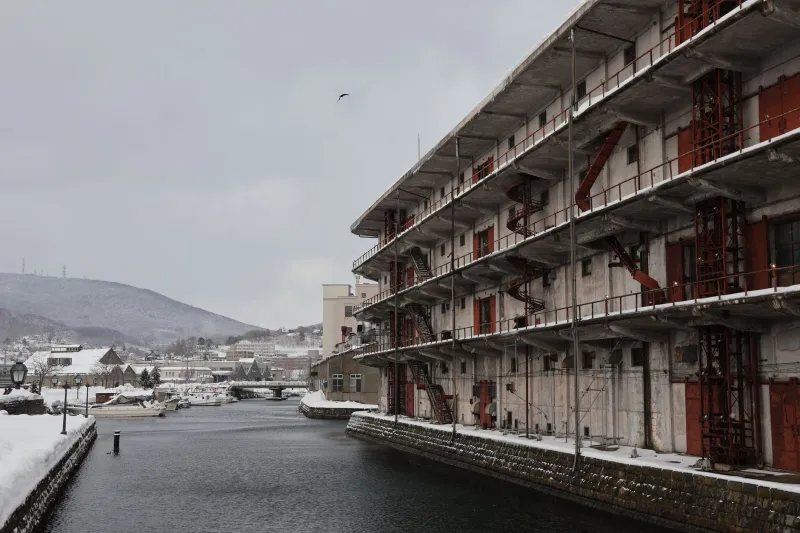
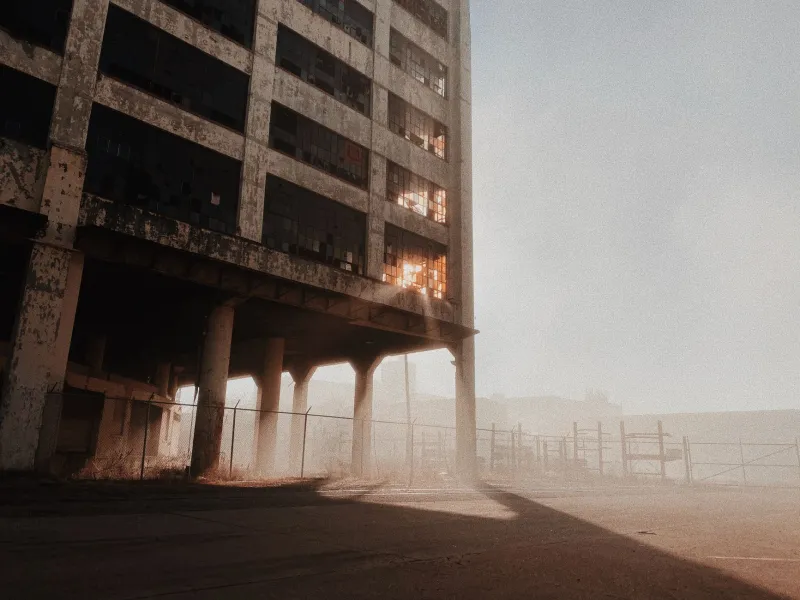
The island's southern and western coasts are dotted with towns that boomed during Japan's industrial era and then didn't. Abandoned mine shafts cut through hillsides in Fukuoka and Nagasaki prefectures. Rust-stained warehouses line harbors in Kitakyushu. Whole neighborhoods in smaller cities feel suspended somewhere between 1974 and now, the kind of lived-in decay that production designers in Los Angeles spend millions trying to fake.
Layered beneath all that physical history is something older. Kyushu has its own distinct folklore ecosystem — regional variants of spirit encounters, agricultural rituals that predate Buddhism's arrival in Japan, and a coastal culture thick with stories about what comes in from the sea. These aren't the sanitized yokai tales that get licensed into anime merchandise. They're stranger, more localized, and they haven't been processed into something comfortable yet.
For filmmakers working outside the studio system, that combination — decaying infrastructure plus living mythology — is basically a free production design budget and a ready-made screenplay.
The People Making It Happen
The scene doesn't have a headquarters or a manifesto. It's more of a loose creative ecosystem that's evolved around a handful of film festivals, online communities, and shared equipment pools.
Fukuoka functions as the informal hub, partly because it has the population density to support regular screenings and partly because its university arts programs have been quietly producing technically capable graduates who can't afford to move to Tokyo and don't particularly want to. From there, threads extend outward — to Nagasaki, where filmmakers mine the city's layered colonial and atomic history; to Kagoshima, where proximity to Yakushima's ancient forests bleeds into a strain of environmental horror; to Oita, where the onsen landscape lends itself to films that feel genuinely otherworldly.
The aesthetics vary. Some of these productions are grimy and confrontational in ways that recall early Sam Raimi or the Italian giallo tradition — filmmakers who've clearly spent time with the kind of cult VHS releases that used to live in the back corner of video rental stores. Others are quieter and more formally experimental, closer to the slow-cinema tradition of directors like Apichatpong Weerasethakul. What connects them is a shared willingness to let regional specificity drive the work rather than sand it down for broader palatability.
Finding an Audience Outside Japan
Here's the thing that surprises people when they first encounter this scene: a meaningful chunk of its audience isn't Japanese.
Streaming platforms and online film communities have created discovery pathways that simply didn't exist a decade ago. Short films and micro-budget features that screen once at a Fukuoka community center can end up on Vimeo or regional horror streaming platforms with dedicated followings in the US, Germany, and Southeast Asia. Horror and experimental film communities online have a particular appetite for work that feels genuinely unfamiliar — and Kyushu's folklore-drenched aesthetic delivers that in ways that more internationally polished Japanese productions often don't.
Forum threads on niche horror sites dissect these films with the same obsessive energy that American cult film communities once devoted to tracking down obscure Italian or Filipino genre pictures. There's a specific thrill in encountering something that hasn't been pre-explained or contextualized for you, and Kyushu's underground output scratches that itch hard.
A few filmmakers have started adding English subtitles not because they're chasing international distribution deals — those remain rare — but because they've realized their actual audience is already global.
What Makes It Kyushu, Specifically
It's worth pushing back on the temptation to treat this as just another regional variation on familiar Japanese horror tropes. The onryo ghost and the cursed videotape have their roots in a broader Japanese cultural tradition, but Kyushu's underground cinema is doing something more specific.
The regional folklore here often involves the sea, the land, and the industrial history in ways that feel materially grounded. Spirits in these films tend to be tied to specific places — a particular mine shaft, a specific stretch of coastline — rather than existing as generalized supernatural forces. The horror, when it shows up, often has an economic undercurrent: communities that were used up and abandoned, landscapes that absorbed decades of human cost and haven't forgotten it.
That's not a million miles from the concerns driving a lot of American regional horror — think the Appalachian folk horror wave, or the industrial-rust-belt dread that runs through films like A Quiet Place. The specific geography and history are completely different, but the emotional register connects. People in Pittsburgh or Youngstown who've lived through deindustrialization probably don't need the coal mine imagery translated.
Where It Goes From Here
The honest answer is that nobody knows, and that's part of what makes it interesting to watch right now.
Some of the filmmakers involved are explicitly uninterested in scaling up. The lo-fi aesthetic and the local audience feel like features rather than bugs — constraints that force a kind of creative intimacy that bigger budgets tend to dissolve. Others are quietly hoping that the international attention translates into something more sustainable, maybe a festival circuit presence or streaming deals that let them make the next project without working three side jobs.
What's clear is that Kyushu's underground film scene has already done the hard part. It's built a body of work with a genuine aesthetic identity, one that's rooted in a specific place and couldn't have been made anywhere else. In an era when so much film content feels interchangeable regardless of where it was shot, that's not a small thing.
Somewhere in a repurposed warehouse in Fukuoka, somebody is probably setting up a shot right now with a camera that cost less than your laptop and a story that's been waiting in the local hillside for three hundred years. You should probably pay attention.