When Your Chef Messes Up and Tells You About It First
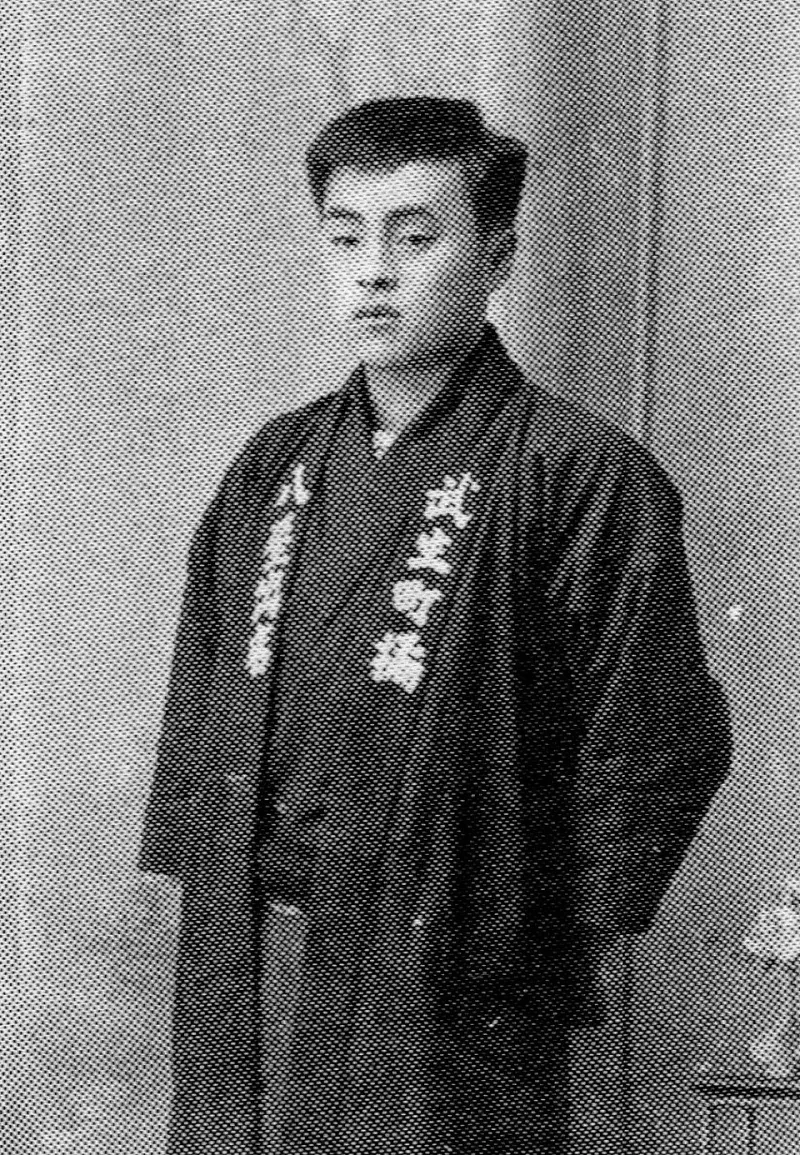
Photo: 秋山徳蔵, Public domain, via Wikimedia Commons
Walk into a certain kind of restaurant in Fukuoka or Kagoshima and you'll notice something feels different before you've even sat down. The place isn't trying to impress you. Nobody's performing. The chef might glance up from the counter, give you a nod, and just say — in plain, unhurried Japanese — "We're out of the flounder tonight. Ended up with too much mackerel. It's good though. You want to try it?"
That's it. No apology theater. No elaborate substitution dressed up to look intentional. Just the truth, offered like a handshake.
This is Kyushu's quiet hospitality revolution, and it's been going on long enough that most locals don't even realize it's unusual.
The Tokyo Contrast Nobody Talks About
If you've eaten your way through Tokyo's restaurant scene — and plenty of Americans visiting Japan make that their primary mission — you know the drill. Precision. Presentation. A level of service so choreographed it can feel like dinner theater. That's not a knock on Tokyo. The city has earned its Michelin stars many times over.
But Kyushu operates on a different frequency.
"Tokyo restaurants often protect the guest from imperfection," says Hiroshi Tanaka, who runs a twelve-seat tempura counter in Kumamoto that's been in his family for three generations. "Here, we think that's a little disrespectful. If something isn't right, you should know. You came here with your time and your money. You deserve the actual experience, not a managed one."
Tanaka-san isn't being contrarian. He's describing something deeply embedded in how Kyushu's food culture operates — a directness that locals sometimes call mame (diligent, honest) and outsiders occasionally mistake for bluntness.
What 'Accountability' Looks Like at a Sushi Counter
At a neighborhood sushi spot in Beppu, the kind of place where the owner is also the chef is also the person who takes your coat, a regular customer named Yuki Matsumoto described an experience that stuck with her.
"The chef had slightly over-seasoned the rice that night — he said it himself before I'd tasted anything. He just told me, straight up, that his ratio was off and he'd been recalibrating all evening. Then he asked if I still wanted to proceed or if I'd prefer to come back another night."
She stayed. The rice was, by her account, still excellent. But the moment mattered more than the meal.
"In America," she said — Matsumoto lived in Seattle for four years — "a restaurant might comp you a dessert after something goes wrong. Here, you find out something went wrong before it has a chance to ruin your night. That's completely different."
That distinction — preemptive honesty versus reactive damage control — is at the heart of what makes Kyushu's dining culture feel so distinct. It's not about grand gestures or compensation. It's about keeping the relationship intact.
Trust as an Ingredient
Chef Naomi Ogawa, who runs a small kaiseki-influenced dinner spot outside Nagasaki, puts it in terms that American readers might recognize from a completely different context: customer loyalty.
"If I hide a mistake from you and you find out later — or you just feel something was off without knowing why — you don't come back," she says. "But if I tell you the truth and we work through it together, you come back. And you bring someone with you."
Ogawa-san's restaurant has a three-month waitlist. She's never spent a yen on advertising.
This isn't naive idealism. It's a long-game business strategy that happens to also be the right thing to do. And it works in part because Kyushu's dining culture is still largely built around repeat, neighborhood customers rather than tourist traffic or Instagram-driven one-time visits. When your diners are your neighbors, you can't afford to gaslight them about the fish.
The Apology That Isn't Really an Apology
There's a specific kind of exchange you'll witness at these counters that's worth understanding if you're planning a trip. It doesn't look like the elaborate sumimasen apology culture you might expect from Japan. It's quieter and more matter-of-fact.
A chef might say: "The clams weren't great today. I used them anyway because I didn't want to waste them, but I'm going to take five hundred yen off your bill." Or: "I rushed the dashi this afternoon and I know it. Tell me what you think."
There's no groveling. No performance. Just acknowledgment, followed by action or invitation.
For American diners used to either relentless positivity ("Everything looks amazing!") or the awkward Yelp-review-driven apology ("We're so sorry about your experience"), this can feel almost disorienting at first. But it recalibrates quickly into something that feels more like respect.
Why This Matters Beyond the Meal
Kyushu has always been a little separate from the rest of Japan's cultural narrative. Geographically, historically, temperamentally. The people here have a reputation — fair or not — for being more direct, more stubborn, and more proud of regional identity than their counterparts in Osaka or the capital.
That independence shows up in the food culture in ways that go beyond ingredients or technique. It shows up in how chefs relate to their guests. Not as performers and audience, but as two parties in an honest transaction who both want the same thing: a genuinely good meal and the kind of trust that makes you want to come back.
For Americans who've grown up in a hospitality culture that often prioritizes the appearance of perfection over the reality of it — where "the customer is always right" has quietly morphed into "the customer must never be told the truth" — there's something almost radical about watching a chef in Kumamoto calmly explain that the broth isn't quite where he wanted it tonight.
It's not weakness. It's the whole point.
How to Find It
If you're heading to Kyushu and want to experience this kind of dining, skip the hotel restaurant recommendations and the tourist-facing spots near the major train stations. Look for counters with fewer than fifteen seats. Look for places where the menu is handwritten and changes daily. Look for restaurants that have been in the same family for more than one generation.
And when the chef tells you something isn't right — because they will, if you're in the right place — don't rush to reassure them. Just listen. That moment of honesty is the meal before the meal, and in Kyushu, it might be the most nourishing thing you eat all night.