Below Street Level in Kumamoto: The Basement Bars Where History Never Closed Last Call
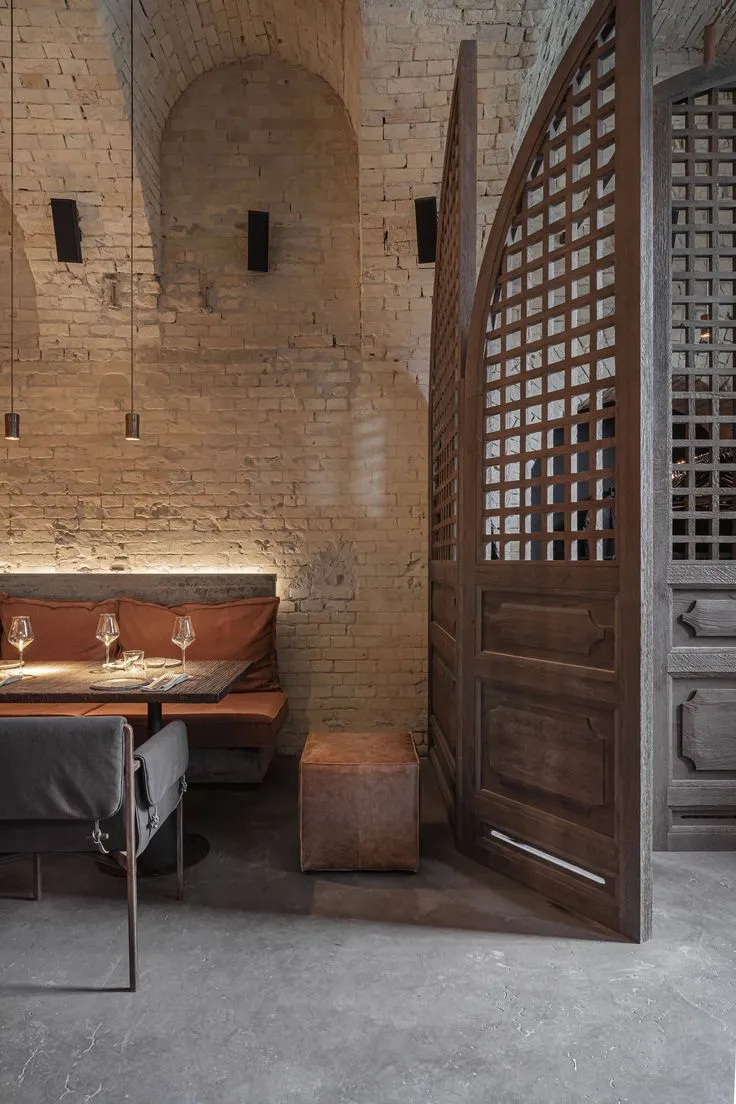
Photo: underground bar basement Japan izakaya dim lighting vintage, via i.pinimg.com
You almost miss the entrance. There's a hand-painted wooden sign, a narrow staircase descending into warm amber light, and the faint sound of someone playing an acoustic guitar badly — but with tremendous conviction. Welcome to Kumamoto's underground bar scene, and no, we don't mean underground in the cool Brooklyn speakeasy sense. We mean literally underground.
These subterranean spots have been doing their thing for decades, largely invisible to travel blogs and Instagram itineraries. They're tucked into basements, carved into hillsides, and in a few genuinely remarkable cases, built inside former World War II air-raid shelters that the city never quite figured out what to do with. What happened instead is that someone dragged in a refrigerator, stocked it with Kirin and shochu, and opened a tab on history.
The Shelter That Became a Saloon
One of the most talked-about spots among locals — we'll keep the name vague because the owner specifically asked us to — sits inside a tunnel network originally dug in the early 1940s as civilian protection during Allied bombing raids. The walls are raw volcanic rock, the ceiling is low enough that taller visitors do an involuntary duck, and the whole place smells like cedar, cigarette ghosts, and something you can't quite name but immediately associate with your grandfather's garage.
The master, a retired civil servant in his late sixties, inherited the space from a friend who inherited it from his father. "Nobody ever officially licensed it as a historic site," he told us, wiping down the counter with a cloth that has probably seen more secrets than a confessional booth. "So we just kept using it."
On any given Thursday night, you'll find a table of salarymen loosening their ties after a brutal week, a couple of twenty-something musicians arguing about chord progressions, and at least one solo drinker staring into a glass of barley shochu like it contains answers. Sometimes it does.
Oral History on the Rocks
What makes these spots genuinely remarkable — and what separates them from, say, a themed cocktail bar in downtown Nashville doing a "vintage Japan" concept — is the living memory that saturates the walls. Kumamoto's underground bars function as informal archives.
Regulars bring stories the way Americans might bring a bottle of wine to a dinner party. An elderly woman named Fumiko, who has been coming to her neighborhood basement bar since the 1970s, described the space as the place where she first heard about the 1953 floods from someone who actually survived them. "Books give you facts," she said. "Down here, you get the feeling."
That oral tradition is quietly remarkable in a country where official history tends to be carefully curated. In these rooms, people talk about things that didn't make the textbooks — local labor disputes, postwar food shortages, the complicated feelings about American occupation that polite company still doesn't always discuss. The shochu loosens things that daylight keeps locked up.
The Music You Won't Find on Spotify
Kumamoto's underground bars have also incubated a music scene that operates almost entirely off the grid. No streaming numbers, no social media presence worth mentioning, no label interest — and apparently, no desire for any of that.
On weekend nights, some of these basement spots transform into intimate live venues where local acts play sets to audiences of fifteen or twenty people crammed into spaces that were never designed for amplification. The acoustics are terrible in a way that somehow works perfectly. Bands that play here tend toward a raw, unhurried sound — folk-influenced, sometimes experimental, occasionally just a guy with a shamisen who has had a few drinks and wants to show you something.
"We tried playing actual venues," said one musician who performs regularly in the underground circuit. "But there's something about playing in a room where you can feel the mountain around you. It changes how you play. It changes how people listen."
Why Tourist Guides Skip This
Here's the honest answer: these places are hard to recommend in the traditional travel-guide sense because they operate on relationship logic, not customer service logic. Some don't have posted hours. Some don't have menus. A few don't technically have names.
The best way in is the oldest way in — someone who knows someone brings you. But for American visitors willing to do a little legwork, the Shimotori and Tatsuda neighborhoods are decent starting points for finding basement establishments that at least have signs. Asking at a local izakaya above ground, in broken Japanese or with a translation app, whether there's "something older, something more local" nearby tends to produce either a blank stare or a knowing nod. The knowing nod is what you're after.
What Gets Preserved Down There
Kumamoto is a city that has absorbed enormous trauma in recent memory — the 2016 earthquakes damaged or destroyed thousands of structures and shook the community in ways that are still being processed. Several underground bars were damaged. A few closed for good. But a surprising number survived, and the regulars who gathered in them during the recovery period describe those nights as among the most important of their lives.
"We came here because we didn't know where else to go," said one man, a contractor who helped with earthquake reconstruction. "And everyone just talked. For hours. About what we lost, what we were going to rebuild, what we wanted to keep the same."
That's the thing about these basement bars that no tourist guide could ever really capture. They aren't destinations. They're infrastructure — emotional, cultural, historical infrastructure that a city builds without a blueprint and maintains through the simple act of showing up, ordering a drink, and staying long enough to actually talk to a stranger.
Kumamoto's underground isn't trying to be discovered. But if you find your way down those stairs, you'll understand pretty quickly why the regulars keep coming back.
Getting there: Kumamoto is accessible by Shinkansen from Fukuoka (approx. 30 min) and Kagoshima (approx. 45 min). Exploring the underground bar scene is best done on foot in the evenings, starting from the central Shimotori arcade area and following your instincts — or a friendly local — downward.